art work by John Ceprano
CINERGY (tm) - Peacebuilding... one person at a time

THE SPACE BETWEEN UNPEACE AND PEACE

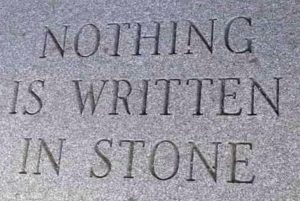
This quote can apply to so many situations. This week’s Conflict Mastery Quest(ions) blog considers it within the context of a conflict on its way to being resolved – but not quite there.

It’s an important place – the transitional space between negative emotions upset, overwhelm or being preoccupied and the space where we feel settled, resolved or relieved. The space between can be rich with learning, insights and acceptance and it’s important to honour it and ourselves within this place and the transition.

If you are in this space between unpeace and peace, these questions are ones to reflect on as you take stock:

  • What is the situation?
  • How might you describe the space without peace as yet?
  • How do you describe what peace will be? What will that be like for you?
  • What are the challenges for you in the transition between unpeace and peace?
  • How is that feeling – the transitional space?
  • What do you want to be feeling in the peace space that you are not feeling right now?
  • How do you want the other person to be experiencing peace? How might you facilitate that, if you want to?
  • What did you learn about yourself in the unpeace space? What did you learn about yourself in the transition space?
  • How might the transitional space be most effectively used?
  • What have you learned or are you learning about the other person in the conflict between you?
  • What else occurs to you as you consider these questions?
  • What insights do you have?

#conflictcoaching
#conflictmanagementcoaching
#conflict
#conflictmanagement
#conflictresolution
#questions
#ADR

Posted in Conflict Coaching, Conflict Management Coaching | 2 Comments

ONE THOUGHT OVER THE OTHER

First and foremost, I hope this finds you and yours well and healthy.

These are such stressful times as we isolate due to virus! We are without the usual external resources, the variety, the accomplishments, the camaraderie that help us get through our daily lives as usual. Change of routine is hard at the best of times. Uncertainty –  the unknown – might give us nightmares and increase our fears of all sorts – unsettling our balance and distracting us with worry. Missing the direct company of friends, family and work and play  associates, without hugs from family and friends, without knowing when life will gain some sort of normalcy – even the new normal but at least,  a state of knowing what that is going to happen and when – these and other stresses, too, have an impact on our lives as we know them right now. And that also means our ability to handle interpersonal conflict within our closed quarters might be compromised along with everything else that normally maintains our equilibrium.

I hear from some of my conflict coaching clients how time on their hands and the stresses they feel are leading to more disputes within their households. If the relationships within the family or couple unit already have some challenges, stress is often heightened.  There may be a tendency to resort to behaviours that don’t serve us well, to take our frustrations out on others, to act in ways that are unproductive and even destructive to our well-being and those around us.

Though we have the ability to choose one thought over the other, as the quote here states, that isn’t easy at times like these. The questions for this week’s Conflict Mastery Quest(ions) blog invite you to take a conflict situation happening for you now, if there is one, in which your negative thoughts are prevalent. See if the following questions are of help – perhaps, to shift your thoughts to ones that are more constructive.

How would you describe the stress you are experiencing right now as a consequence of the news about the pandemic and isolation?

What sorts of thoughts dominate your thinking these days?

What is the interpersonal conflict about that is going on within your household, or with someone else outside of your household?

What are you thinking about the other person in this conflict? What are you attributing to them (what characteristics and assumptions are you making about them, for instance)?

Which of your thoughts do you know are true about the person?

Which of your thoughts are ones that might be due to the stress you are experiencing about the pandemic news, isolation etc. or heightened as a consequence? What of their behaviours might reflect what they are experiencing about the state of things right now?

What are you thinking about yourself in this conflict? What do you want to be thinking about yourself in this conflict?

What might the other person be thinking about you? What might they be attributing to you (what characteristics and assumptions might they be making about you, for instance)?

If you were to shift your thinking to more positive thoughts about the other person, what might they be (such as characteristics that you know about the other person when things are going well, thoughts that you might use to replace the ones you have built up but are not necessarily true, etc.)?

Knowing you are  ‘at choice’ about what are you thinking about yourself too, which thoughts will you choose to think about yourself – ones that reflect your inner strength and goodness and those characteristics you can usually count on to reduce your stress – to help improve the dynamic between you and the other person?

What else occurs to you as you consider these questions?

What insights do you have?

#conflictcoaching
#conflictmanagementcoaching
#conflict
#conflictmanagement
#conflictresolution
#questions
#ADR

Posted in Conflict Coaching, Conflict Management Coaching | Leave a comment

KNOWING WHEN TO WALK AWAY

I really like this quote, for many reasons. For one, it reminds me that some conflicts are just not reconcilable. It happens that, at times, what another person says or does is totally unacceptable. Under these circumstances, and others that are really not solvable, there’s good reason to walk away and to believe in, respect and trust ourselves – to not give in, or fight, or try to change the other person.

This quote also reminds me that it takes courage to act on our beliefs, to face the situation face on, and boldly move on and away. Of course, it’s not so easy to walk away from some people and some situations. However, to do so with dignity and our heads held high means different things to different people. It may be that we do not second-guess, agonize or criticize ourselves after we courageously walk away. Rather, it is to show the wisdom and strength of our convictions by removing ourselves from a situation that is unproductive and unhealthy AND celebrating our dignified, bold selves for doing so.

This week’s Conflict Mastery Quest(ions) blog asks you to consider a conflict situation where you want to walk away and show wisdom and courage and dignity in doing so.

  • What is the situation?
  • What specifically is compelling you to walk away?
  • What worries you most about doing so?
  • What is wise about doing so?
  • In other situations when you have acted wisely, what inner strength did you draw on that helped you?
  • What does it usually take for you to be courageous? What inner strength do you know you have to be courageous?
  • How will those traits (from answers to above two questions) – and others you have – facilitate your forward movement?
  • What will your first step be?
  • What are the next steps?
  • How will you make sure you walk away with dignity?
  • What else occurs to you as you consider these questions?
  • What insights do you have?

#conflictcoaching
#conflictmanagementcoaching
#conflict
#conflictmanagement
#conflictresolution
#questions
#ADR

Posted in Conflict Coaching, Conflict Management Coaching | Leave a comment

“BUT I WAS HUNGRY…”

I saw this quote in a restaurant and it gave me a big smile. It’s an occupational hazard that I see quotes such as these through a conflict management lens. As it happens, I considered this one ‘blog-worthy’!

In actual fact, it’s likely that our physical state can add to our emotional state when we become provoked, and not help our responses and how we hear things. Feeling hungry, fatigued, achy, unwell, stressed and other states of unbalance and vulnerability may well motivate us to react quicker and with more vehemence. When this is the case, we might act in ways we regret and provoke others into reactions (that they, too, may regret).

For this week’s Conflict Mastery Quest(ions) blog, consider a time when you know your physical state contributed to an interpersonal conflict:

  • What was the situation?
  • What about your physical state contributed to your reaction?
  • In what ways did your physical state contribute, i.e. what did you say or do?
  • What happened between you and the other person as a consequence of your reaction?
  • What would you have preferred to say or do?
  • How did you explain yourself and your reaction, if you did? What understanding, if any, did the other person demonstrate in response to your explanation?
  • What other physical states can you think of that have contributed to interacting in ways that are unproductive?
  • What are the lessons you are learning from these questions?
  • What else occurs to you as you consider these questions?
  • What insights do you have?

#conflictcoaching
#conflictmanagementcoaching
#conflict
#conflictmanagement
#conflictresolution
#questions
#ADR

Posted in Conflict Coaching, Conflict Management Coaching | Leave a comment

YOUR VERSION IS NOT MY RESPONSIBILITY

There are so many quotes that I find interesting and this is one of them. I don’t know who wrote it, but it is a variation of similar sentiments expressed in other quotes that I also like such as, “What others think of me is none of my business”. My blog this week is about the underlying theme of these quotes as they pertain to how we think we are perceived and how this may contribute to conflict.

Think for a moment about a certain relationship in which things are unsettled. You may have had a falling out – or not – but, there is tension between you and a friend, colleague or family member and it’s creating anxiety and uncertainty. You may have made assumptions about the other person and their reasons for conducting themselves in certain ways that add to your growing apprehension about them and your relationship. This likely works both ways. That is, not only might you be perceiving things about the other that may (or may not) apply. They are also about you.

It is also common to create versions in our minds about the other person’s perceptions of us. We might let such thoughts enter our minds as we process the conflict and the impact it is having. And, the versions we and the other person create about one another may or may not be real. In any case, as the quote says, the other person is not responsible for our perceptions of them. Nor, are we responsible for their perceptions of us. Our perceptions are just that – they are what we each conjure up as a consequence of the emotions and other dynamic occurring between us.

If this topic appeals to you, consider these questions and see if any resonate for you:

  • What conflict already happened or is currently going on between you and the other person that has led to you wondering about their perceptions of you?
  • How, more specifically, might the other person have made those perceptions (i.e. what did you say or do or not say or do)?
  • What part of what they might be perceiving is not legitimate based on your interactions?
  • As far as you can tell, what version of you or the events between you that the other person is holding onto might be prolonging resolution of the conflict? How might you find out their version?
  • What perception do you have of the other person and their contribution?
  • What might they say they do not own about your perception(s)?
  • As far as you can tell, what about your perception of that person and the events is prolonging the conflict?
  • In what ways is the person’s version of you your responsibility? How so?
  • In what way is your version of the other person their responsibility? How so?
  • What version of the conflict and the other person might you consider as possible to help facilitate a shift in your thinking and feelings?
  • What else occurs to you as you consider these questions?
  • What insights do you have?

#conflictcoaching
#conflictmanagementcoaching
#conflict
#conflictmanagement
#conflictresolution
#questions
#ADR

Posted in Conflict Coaching, Conflict Management Coaching | Leave a comment